
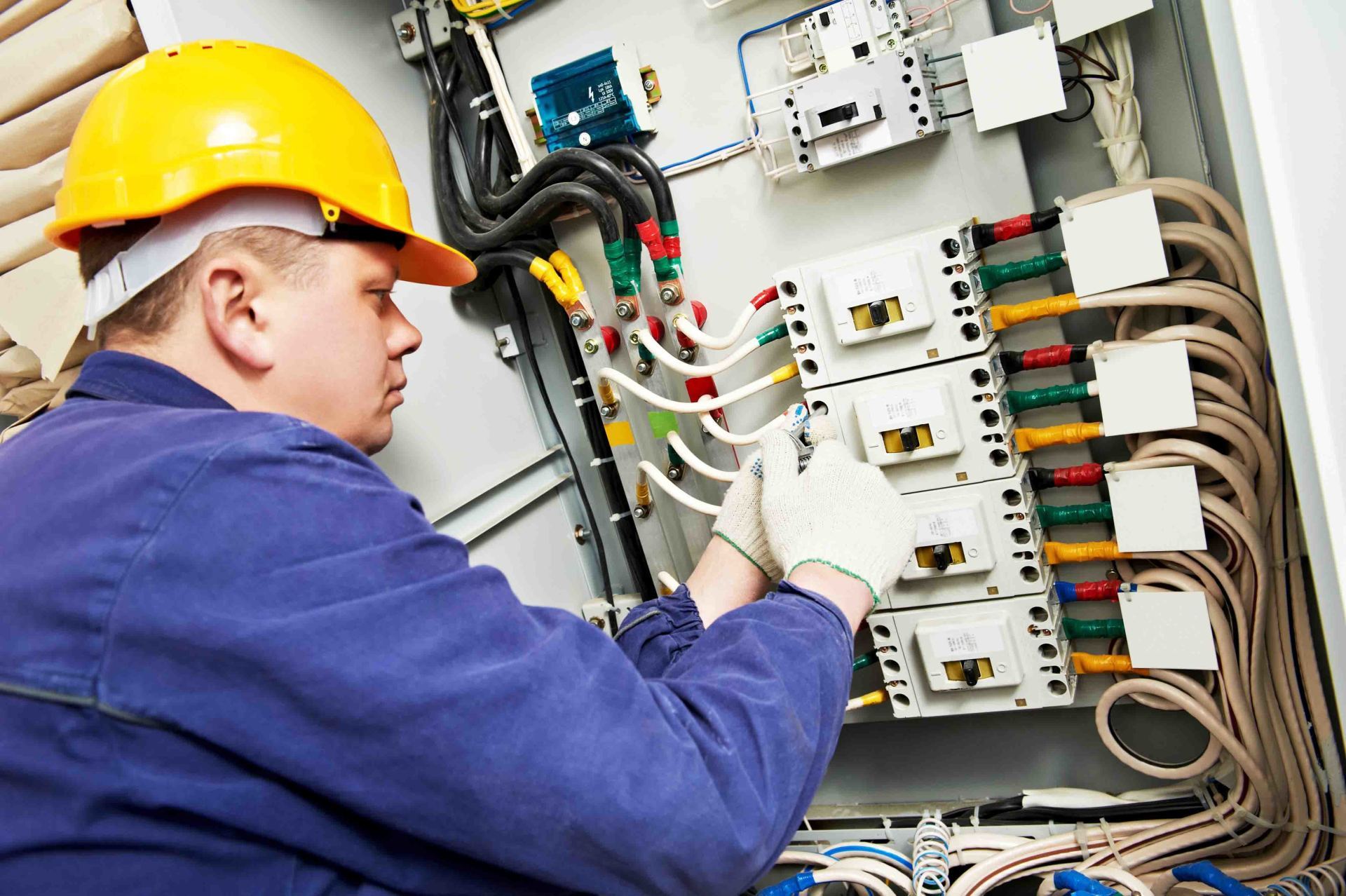
What Is Electricians Insurance?
Electricians insurance is a specialist commercial insurance package designed for individuals and businesses carrying out electrical installation, maintenance, and testing work. It combines several types of cover — public liability, tools, employers' liability, and professional indemnity — into a single arrangement that addresses the specific risks of electrical contracting work.
Electrical work carries a higher liability risk profile than many other trades due to the potential for fire, electrocution, and significant property damage. Standard business insurance policies are rarely adequate; electricians require specialist underwriting that reflects the nature of their work and the environments in which they operate.
Who Needs Electricians Insurance?
Electricians insurance is relevant to a wide range of electrical contractors and businesses:
- Domestic electricians and sole traders
- Commercial electrical contractors
- Industrial electrical engineers
- Electrical testing and inspection businesses
- Electrical design and specification consultants
- Solar panel and renewable energy installers
- EV charging point installers
- Alarm and security system installers
- Electrical apprentices working under supervision
Any electrician working on client premises — whether domestic or commercial — faces liability exposure that requires proper insurance. Many commercial clients, main contractors, and local authorities require proof of valid public liability cover before allowing access to their premises or awarding contracts.
Public Liability Insurance
Public liability insurance is the most important cover for any electrician. It protects against claims from third parties — clients, property owners, or members of the public — for injury or property damage caused during the course of your electrical work.
Standard public liability limits for electricians are £1 million, £2 million, or £5 million. Many commercial clients and main contractors require a minimum of £2 million or £5 million as a condition of contract. JIB-registered electricians should confirm their policy meets the scheme's minimum requirements.
Employers' Liability Insurance
Employers' liability insurance is a legal requirement for any electrical business that employs staff, including apprentices, part-time workers, and in many cases subcontractors. The minimum legal limit is £5 million, though most policies are issued at £10 million.
Failure to hold valid employers' liability cover can result in fines of up to £2,500 per day. The certificate of insurance must be displayed or made available to employees on request. Sole traders with no employees are generally exempt, but should confirm their position with their broker if they use any labour assistance.
Professional Indemnity Insurance
Electricians who undertake design work, produce specifications, or provide technical advice should consider professional indemnity insurance. This covers claims arising from errors or omissions in professional advice or design that cause financial loss to a client.
Professional indemnity is particularly relevant for electrical contractors working on design-and-build projects, those producing electrical installation condition reports (EICRs), and those advising on energy efficiency or renewable energy systems. Cover is written on a claims-made basis, meaning the policy in force at the time the claim is made responds to the claim.
Tools and Equipment Cover
Electricians rely on specialist tools and test equipment that can be expensive to replace. Tools cover protects against theft, accidental damage, and loss of tools and equipment — both on site and in transit. Most policies cover tools up to a specified limit per item and in aggregate.
Key points to check in your tools cover: whether tools left in an unattended vehicle overnight are covered (many policies exclude this or require a locked van), whether hired-in equipment is included, and whether the policy covers tools belonging to employees as well as the business.
JIB Scheme Requirements
The Joint Industry Board (JIB) for the Electrical Contracting Industry sets minimum insurance requirements for registered electrical contractors. JIB-registered businesses must hold public liability insurance with a minimum limit of £2 million and employers' liability insurance at the statutory minimum of £5 million.
Electricians registered with NICEIC, NAPIT, or other competent person schemes should also confirm their insurance meets scheme requirements. Some schemes require specific policy endorsements or minimum limits that standard tradesman policies may not include.
High-Risk Electrical Activities
Certain electrical activities are classified as higher risk by underwriters and may require specific policy endorsements or specialist cover:
- High-voltage work (above 1,000V AC or 1,500V DC)
- Work on live electrical systems
- Electrical work in hazardous areas (ATEX zones)
- Solar PV installation and battery storage systems
- EV charging point installation
- Work on heritage or listed buildings
- Electrical work in swimming pools or wet areas
- Temporary electrical installations for events
Electricians undertaking any of these activities should declare them at inception and confirm their policy provides adequate cover. Failure to disclose material information can affect the validity of a claim.
What Affects Electricians Insurance Premiums?
Several factors influence the cost of electricians insurance:
- Type of electrical work undertaken (domestic, commercial, industrial)
- Annual turnover and number of employees
- Public liability limit required
- Claims history
- Whether high-risk activities are undertaken
- Geographic area of operation
- Whether professional indemnity cover is included
- Tools and equipment value
Electricians with a clean claims history, clear scope of work, and appropriate professional registrations (JIB, NICEIC, NAPIT) typically attract more competitive terms from underwriters.
Arranging Electricians Insurance
Electricians insurance is best arranged through a specialist commercial broker with access to the trades insurance market. A broker can compare terms across multiple underwriters, ensure the policy covers your specific activities, and advise on appropriate liability limits for the contracts you undertake.
Focus Insurance Services arranges specialist electricians insurance for sole traders and electrical contracting businesses across the UK. Our brokers understand the specific requirements of the electrical sector and can arrange cover that meets JIB, NICEIC, and NAPIT scheme requirements.
For tradespeople operating across multiple trades, our tradesman insurance guide provides a broader overview of the cover options available. Electricians who operate a van should also review our van insurance guide to ensure their vehicle cover is adequate for business use.
Important Disclaimer
This article is for general information and educational purposes only. Policy terms, conditions, and exclusions vary. For a personal recommendation tailored to your circumstances, please speak to one of our brokers.
Found this helpful?
Share it with others who might benefit.