
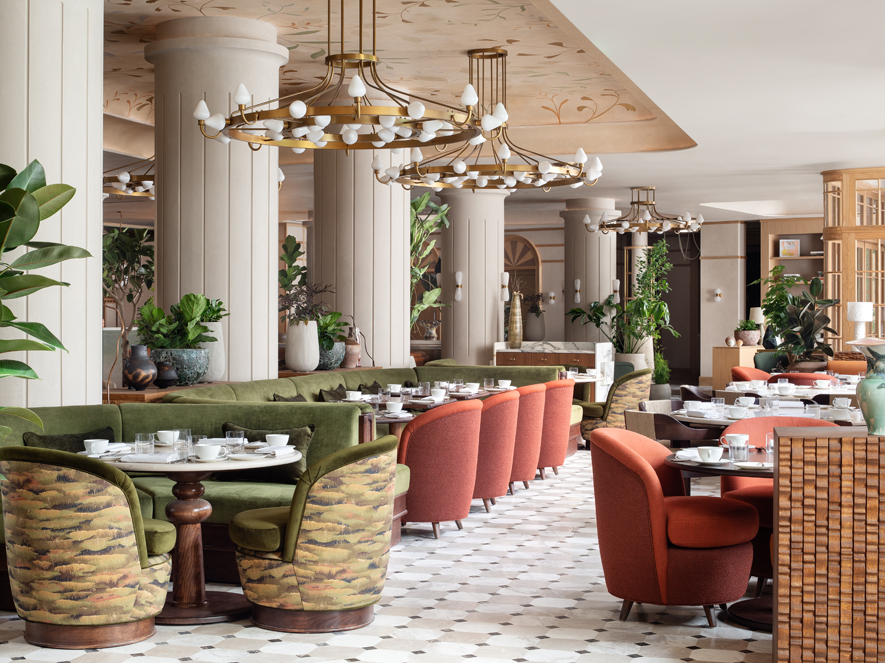
What Is Hotel Insurance?
Hotel insurance is a package of covers designed to protect hospitality businesses — including hotels, bed and breakfasts, guesthouses, boutique inns, and serviced apartments — against the range of risks they face in day-to-day operations. The hospitality sector presents a distinctive combination of exposures: large buildings with significant contents, members of the public staying overnight, food and beverage operations, and a workforce operating around the clock.
A typical hotel insurance arrangement combines public liability, employers' liability, buildings and contents, business interruption, and guest property cover under a single policy structure. The specific covers required will depend on the size and type of the property, whether food and drink is served, and whether the hotel operates a licensed bar or function suite.
Legal Requirements
Hotels are subject to several legal obligations that make certain insurance covers essential in practice, even where they are not strictly mandated by a single piece of legislation:
- Employers' liability insurance — legally required under the Employers' Liability (Compulsory Insurance) Act 1969 if you employ anyone, with a minimum cover of £5 million
- Motor insurance — required if any vehicles are used in connection with the business (e.g., shuttle services, deliveries)
- Lease or mortgage requirements — most commercial property lenders and landlords require buildings insurance and public liability as conditions of the agreement
- Licensing Act 2003 — if the hotel holds a premises licence for the sale of alcohol or regulated entertainment, compliance with licence conditions is essential
- Health and Safety at Work Act 1974 — hotels must manage risks to employees and guests, and insurance supports this obligation
- Innkeepers' liability — under the Hotel Proprietors Act 1956, hotels may have a statutory liability for loss or damage to guests' property
Key Covers for Hotels
Buildings insurance. Hotels typically occupy large, complex buildings with significant reinstatement values. Buildings cover protects the structure — including fixtures and fittings, plant and machinery, and outbuildings — against damage from fire, flood, storm, subsidence, and other insured perils. It is important that the sum insured reflects the full reinstatement cost, not the market value, as these can differ substantially for older or listed properties.
Contents insurance. This covers furniture, furnishings, kitchen equipment, bar stock, linen, and other contents against loss or damage. For hotels with high-value furnishings or antiques, specialist valuation may be required to ensure adequate cover.
Public liability insurance. This covers the hotel's legal liability if a guest, visitor, or member of the public is injured or their property is damaged on the premises. Common scenarios include slips and falls in corridors or bathrooms, injuries in leisure facilities such as swimming pools or gyms, and food-related illness from the hotel restaurant. Cover of £5 million to £10 million is typical for hotels.
Employers' liability insurance. Hotels typically employ a significant number of staff across housekeeping, reception, kitchen, bar, and maintenance roles. Employers' liability covers the hotel's legal liability if an employee is injured or becomes ill as a result of their work. A minimum of £5 million cover is required by law.
Guest property cover. This covers loss or damage to guests' belongings while they are staying at the hotel. Cover can be arranged on a per-guest or aggregate basis, and the terms will vary between insurers.
Money cover. Hotels handle significant volumes of cash, particularly those with bars, restaurants, and function facilities. Money cover protects cash held on the premises, in transit to the bank, and in safes.
Fidelity and employee dishonesty cover. This covers losses arising from theft or fraud by employees — a risk that is elevated in cash-intensive businesses with multiple staff members handling payments.
Guest Property and Liability
The Hotel Proprietors Act 1956 creates a statutory liability for hotels in respect of guests' property. This liability applies to guests who have engaged sleeping accommodation and covers property brought to the hotel, including vehicles in the hotel car park. The statutory limit of liability is relatively modest (£50 per article, £100 in total), but hotels can and often do face claims that exceed these limits, particularly where high-value items such as jewellery, laptops, or cameras are involved.
- Ensure guest property cover is included in the hotel insurance arrangement
- Review the policy limit per guest and in aggregate to ensure it is adequate for the type of clientele
- Consider whether a safe is available for guests to store valuables, and whether the policy requires this
- Display the statutory notice required under the Hotel Proprietors Act 1956 in a prominent position at reception
- Review liability for vehicles in the hotel car park — this may require a separate motor liability extension
Business Interruption Cover
Business interruption insurance is particularly important for hotels because the fixed costs associated with running a hotel — mortgage or rent, rates, staff wages, utilities — continue regardless of whether the hotel is trading. If a fire, flood, or other insured event forces the hotel to close, the loss of revenue can quickly become existential without adequate business interruption cover.
Key considerations for hotel business interruption cover include:
- Indemnity period — the period for which the policy pays out after an insured event. For hotels, a minimum of 24 months is advisable, given the time required to rebuild and restore a large property
- Gross profit basis — the policy should cover the hotel's gross profit (revenue less variable costs), not just net profit
- Additional increased cost of working — covers additional expenses incurred to minimise the interruption, such as temporarily relocating guests or renting alternative premises
- Seasonal trading — hotels with strong seasonal patterns should ensure the indemnity period covers at least one full trading cycle
- Loss of attraction — some policies cover loss of revenue resulting from damage to a nearby attraction or landmark that draws visitors to the area
Licensing and Regulatory Considerations
Hotels that sell alcohol or provide regulated entertainment must hold a premises licence under the Licensing Act 2003. The licence is granted by the local licensing authority and is subject to conditions relating to the four licensing objectives: prevention of crime and disorder, public safety, prevention of public nuisance, and protection of children from harm.
From an insurance perspective, licensing considerations include:
- Loss of licence cover — if the hotel's premises licence is suspended or revoked, loss of licence insurance covers the resulting loss of revenue and the costs of appealing the decision
- Assault cover — covers the hotel's legal liability for injuries caused by assaults on the premises, which may be excluded under standard public liability policies
- Compliance with licence conditions — insurers may require evidence that the hotel is operating in compliance with its licence conditions as a condition of cover
- DPS (Designated Premises Supervisor) — the DPS must hold a personal licence and is responsible for the day-to-day management of the licensed premises. Their absence or disqualification can affect the hotel's ability to trade
- Challenge 25 policy — operating a robust Challenge 25 policy reduces the risk of licensing breaches and may be viewed favourably by underwriters
What Affects the Cost?
- The size and type of property (boutique hotel, chain hotel, B&B, guesthouse)
- The number of bedrooms and annual turnover
- Whether the hotel has a licensed bar, restaurant, or function suite
- The reinstatement value of the buildings and contents
- Whether the property is listed or of non-standard construction
- The hotel's claims history
- Security measures (CCTV, access control, safe storage for valuables)
- Location — flood risk, crime rates, and proximity to emergency services all affect premiums
- Leisure facilities such as swimming pools, spas, or gyms
- Whether the hotel offers wedding or event packages
Next Steps
Running a hotel involves managing a complex and interconnected set of risks — from the physical structure of the building to the safety of guests, the welfare of employees, and the continuity of the business. The right insurance arrangement provides a foundation of financial security that allows hotel operators to focus on delivering excellent guest experiences.
Focus Insurance Services can help hotels, B&Bs, and guesthouses find tailored cover that addresses the specific risks of the hospitality sector. Contact our team for a no-obligation discussion about your hotel insurance needs.
Important Disclaimer
This article is for general information and educational purposes only. Policy terms, conditions, and exclusions vary. For a personal recommendation tailored to your circumstances, please speak to one of our brokers.
Found this helpful?
Share it with others who might benefit.