
What Is Leisure & Entertainment Insurance?
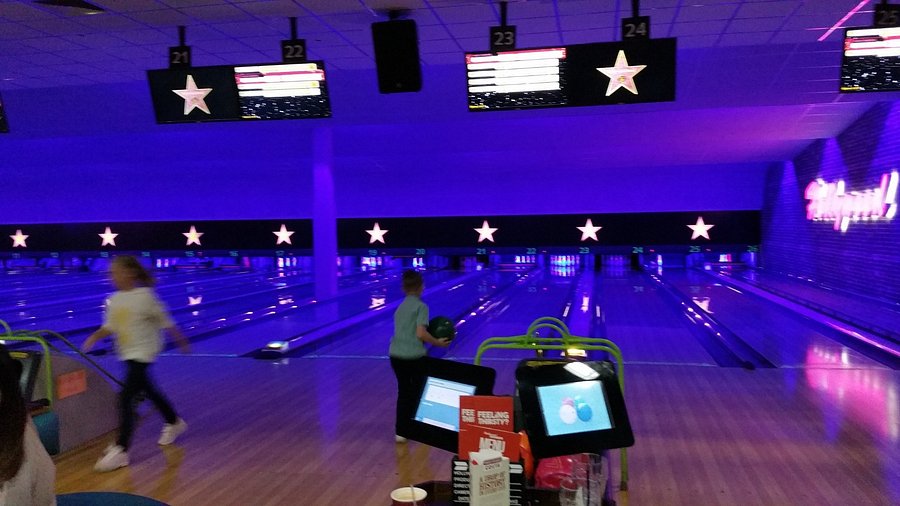
Leisure and entertainment insurance is a package of covers designed to protect businesses that operate public-facing venues for recreation and entertainment. This sector encompasses a wide range of business types — from cinemas, bowling alleys, and amusement arcades to leisure centres, indoor play areas, escape rooms, and trampoline parks. What these businesses share is a combination of high public footfall, significant investment in specialist equipment, and a workforce operating in an environment where physical activity and public interaction create an elevated risk profile.
A typical leisure and entertainment insurance arrangement combines public liability, employers' liability, buildings and contents, equipment breakdown, and business interruption cover. Depending on the nature of the venue, additional covers such as loss of licence, assault cover, and public entertainment liability may also be required.
Legal Requirements
Leisure and entertainment venues are subject to a range of legal obligations that make certain insurance covers essential in practice:
- Employers' liability insurance — legally required under the Employers' Liability (Compulsory Insurance) Act 1969 if you employ anyone, with a minimum cover of £5 million
- Health and Safety at Work Act 1974 — venue operators must conduct risk assessments, maintain equipment, and ensure the premises are safe for visitors and staff
- Licensing Act 2003 — venues providing regulated entertainment (including live music, recorded music, and indoor sporting events) must hold a premises licence from the local licensing authority
- Provision and Use of Work Equipment Regulations 1998 (PUWER) — all equipment must be suitable for its intended use, properly maintained, and regularly inspected
- Regulatory Reform (Fire Safety) Order 2005 — venues must conduct fire risk assessments and implement appropriate fire safety measures
- Children Act 1989 and associated regulations — venues providing activities for children must comply with safeguarding requirements
Key Covers for Leisure Venues
Public liability insurance. This covers the venue's legal liability if a visitor or member of the public is injured or their property is damaged on the premises. For leisure venues with high footfall, the frequency of potential incidents is elevated — slips and falls, injuries on equipment, and crowd-related incidents are all common sources of claims. Cover of £5 million to £10 million is typical for leisure venues; larger venues or those offering high-risk activities may require higher limits.
Employers' liability insurance. Leisure venues typically employ a significant number of staff across customer service, technical operations, catering, and security roles. Employers' liability covers the venue's legal liability if an employee is injured or becomes ill as a result of their work. A minimum of £5 million cover is required by law.
Buildings and contents insurance. This covers the physical structure of the venue and its contents — including seating, screens, projectors, bowling lane machinery, arcade machines, and catering equipment — against damage from fire, flood, storm, theft, and accidental damage. For venues with high-value specialist equipment, it is important that the sum insured reflects the full replacement cost.
Equipment breakdown cover. Leisure venues depend heavily on specialist equipment — projectors, sound systems, bowling lane machinery, arcade cabinets, and HVAC systems. Equipment breakdown cover protects against the cost of repairing or replacing equipment that fails due to mechanical or electrical breakdown, which is typically excluded from standard property policies.
Money cover. Leisure venues handle significant volumes of cash, particularly those with bars, restaurants, and amusement machines. Money cover protects cash held on the premises, in transit to the bank, and in safes.
Loss of licence cover. If the venue's premises licence is suspended or revoked, loss of licence insurance covers the resulting loss of revenue and the costs of appealing the decision. This is particularly relevant for venues that derive a significant proportion of their income from licensed activities.
Public Liability for High-Footfall Venues
High-footfall leisure venues face a distinctive public liability risk profile. The combination of large numbers of visitors, physical activity, and shared equipment creates a higher frequency of potential incidents than most retail or office environments. Key risk areas include:
- Slips and falls — wet floors, uneven surfaces, and inadequate lighting are common causes of visitor injuries
- Equipment-related injuries — malfunctioning bowling lane machinery, arcade cabinets, or fitness equipment
- Crowd management — injuries arising from overcrowding, queuing, or crowd movement in confined spaces
- Food and beverage — food poisoning or allergic reactions from catering operations
- Car park incidents — slips, falls, and vehicle-related incidents in the venue's car park
- Contractor activities — injuries to visitors caused by maintenance or construction work on the premises
To manage these risks and support insurance claims, leisure venues should maintain detailed records of equipment maintenance, staff training, incident reports, and risk assessments. A robust health and safety management system is both a legal requirement and a key factor in managing insurance costs and defending liability claims.
Equipment Breakdown Cover
Equipment breakdown is a significant risk for leisure venues because the failure of a single critical piece of equipment can halt trading entirely. A cinema projector failure, a bowling lane malfunction, or an HVAC system breakdown can each result in significant revenue loss and reputational damage. Standard property insurance typically covers physical damage to equipment but excludes mechanical or electrical breakdown — a gap that equipment breakdown cover is designed to fill.
- Ensure the policy covers all critical equipment, including projectors, sound systems, bowling lane machinery, arcade cabinets, and HVAC systems
- Check whether the policy covers the cost of temporary replacement equipment while repairs are carried out
- Review the policy's position on equipment that is leased or on finance — the finance company may have its own insurance requirements
- Consider whether the policy includes cover for the loss of revenue resulting from equipment breakdown, in addition to the repair or replacement cost
- Maintain up-to-date maintenance records and service contracts, as these may be required by the insurer as conditions of cover
Licensing and Regulatory Considerations
Leisure venues that provide regulated entertainment or sell alcohol must hold a premises licence under the Licensing Act 2003. The licence is granted by the local licensing authority and is subject to conditions relating to the four licensing objectives. From an insurance perspective, licensing considerations include:
- Loss of licence cover — if the venue's premises licence is suspended or revoked, loss of licence insurance covers the resulting loss of revenue and appeal costs
- Assault cover — covers the venue's legal liability for injuries caused by assaults on the premises, which may be excluded under standard public liability policies
- DPS (Designated Premises Supervisor) — the DPS must hold a personal licence and is responsible for the day-to-day management of the licensed premises
- Challenge 25 policy — operating a robust Challenge 25 policy reduces the risk of licensing breaches and may be viewed favourably by underwriters
- Compliance with licence conditions — insurers may require evidence that the venue is operating in compliance with its licence conditions as a condition of cover
- Temporary event notices (TENs) — venues hosting occasional licensed events should ensure their insurance covers these activities
Business Interruption Cover
Business interruption insurance is particularly important for leisure venues because the fixed costs of running a venue — rent, rates, staff wages, equipment finance payments — continue regardless of whether the venue is trading. If a fire, flood, or other insured event forces the venue to close, the loss of revenue can quickly become existential without adequate business interruption cover.
- Indemnity period — the period for which the policy pays out. For venues with significant fit-out costs, a minimum of 18 to 24 months is advisable
- Gross profit basis — the policy should cover the venue's gross profit (revenue less variable costs), not just net profit
- Equipment breakdown extension — consider whether the policy covers business interruption resulting from equipment breakdown, not just physical damage
- Seasonal trading — venues with strong seasonal patterns (e.g., school holiday peaks) should ensure the indemnity period covers at least one full trading cycle
- Denial of access — covers loss of revenue if the venue cannot be accessed due to an incident at a neighbouring property (e.g., a gas leak or fire in an adjacent unit)
What Affects the Cost?
- The type and size of the venue (cinema, bowling alley, arcade, leisure centre)
- Annual turnover and visitor numbers
- Whether the venue holds a premises licence for alcohol or regulated entertainment
- The value of buildings, contents, and specialist equipment
- The nature of activities offered, particularly high-risk activities
- The venue's claims history
- Health and safety management practices and documentation
- Security measures (CCTV, access control, SIA-licensed door supervisors)
- Location and property type
- Whether the venue operates late nights or 24-hour services
Next Steps
Running a leisure or entertainment venue involves managing a complex and interconnected set of risks — from the safety of visitors and staff to the continuity of specialist equipment and the compliance obligations of a licensed premises. The right insurance arrangement provides a foundation of financial security that allows venue operators to focus on delivering excellent visitor experiences.
Focus Insurance Services can help leisure venues, entertainment centres, and hospitality businesses find tailored cover that addresses the specific risks of the sector. Contact our team for a no-obligation discussion about your leisure venue insurance needs.
Important Disclaimer
This article is for general information and educational purposes only. Policy terms, conditions, and exclusions vary. For a personal recommendation tailored to your circumstances, please speak to one of our brokers.
Found this helpful?
Share it with others who might benefit.